
How to Import Clothing from Pakistan to Europe: A Brand's Step-by-Step Guide
· TechSylph
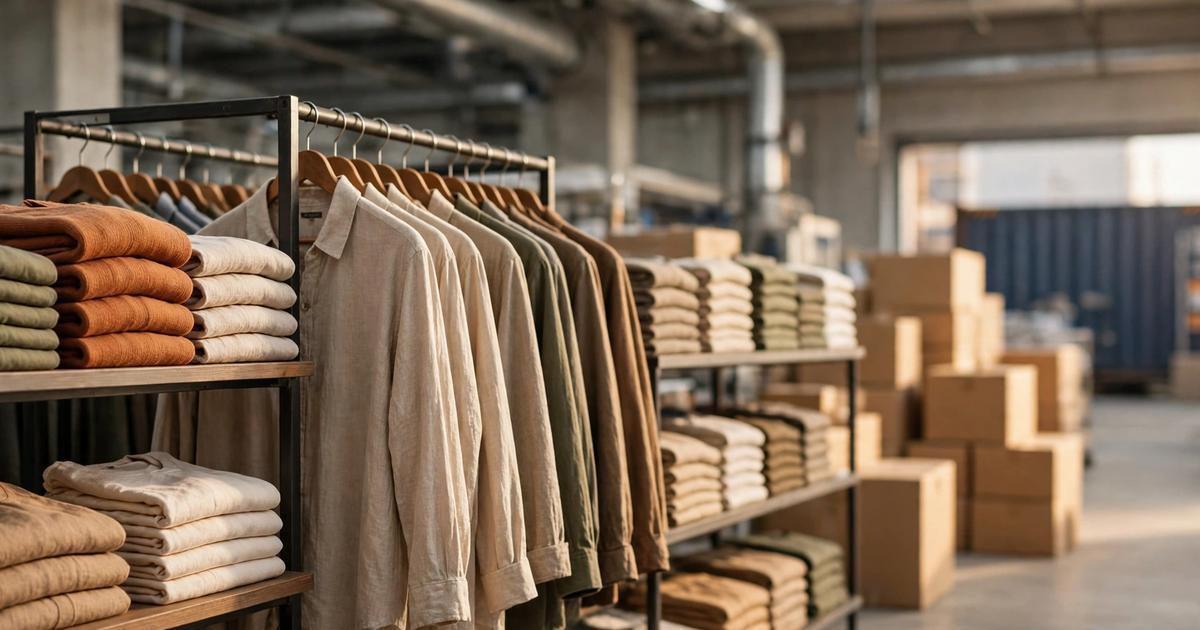
A step-by-step guide to importing clothing from Pakistan to Europe, from sampling and DDP shipping to customs and duty.
If you want to know how to import clothing from Pakistan to Europe, the short answer is this: find a factory that exports directly, approve a physical sample before bulk production, and agree the shipping terms in writing before you pay anything. Most delays and surprise costs do not come from sewing. They come from unclear specifications, missing paperwork, or a shipping quote that did not include duties and customs clearance.
Pakistan is a strong sourcing option for European brands: a deep garment industry, competitive production costs, and factories that work with small and mid-sized brands, not only large retailers. The process below covers the whole journey, from first enquiry to delivery at your door.
Step 1: Choose the right manufacturer, not just the cheapest quote
Start by narrowing your search to factories that actually make the garments you sell. A factory that specialises in hoodies will not necessarily be the best choice for tailored jackets or performance activewear. Ask for recent work in your category, real factory photos, and references from similar brands.
Before you request a quote, prepare a clear brief. You do not need a perfect tech pack on day one, but state the garment type, fabric preference or weight, colours, sizes, quantities, branding details such as labels and prints, and your target delivery date. Vague briefs produce vague quotes, and vague quotes are where hidden costs hide.
At TechSylph, the minimum order is a flat 50 pieces per style across all categories, so a new or growing brand can test a style without committing to a warehouse full of stock. If a factory quotes far less than everyone else, ask what is excluded: fabric quality, trims, labels, packaging, and shipping terms all change the final number.
Step 2: Get a detailed quote and confirm what it includes
A useful quote should break down the unit price, sampling cost, branding and decoration costs, packaging, and shipping. It should also state the production timeline, payment terms, and who is responsible for customs and duties. Do not accept a single lump-sum figure with no breakdown: you cannot compare it fairly with other factories.
Pay particular attention to the shipping terms, often called Incoterms. Under EXW (ex works), you arrange and pay for almost everything after the goods leave the factory. Under FOB, the factory delivers the goods to the port of shipment, but you still handle international freight, insurance, customs, and duties. Under DDP (delivered duty paid), the seller handles shipping, customs clearance, and duties to your agreed address. For most small brands, DDP is simplest because the landed cost is agreed up front.
TechSylph ships DDP worldwide, so the price you approve is the price you should expect to pay for delivery, subject to the delivery address and order details confirmed in your quote. If another supplier offers a different term, compare landed costs, not just factory prices.
Step 3: Approve a sample before you commit to bulk
Never place a bulk order without approving a physical sample first. A sample proves three things at once: that the factory understood your design, that the fabric and fit are right, and that the branding, from labels to prints and embroidery, looks the way you expect. Photos alone are not enough, because colour, weight, stretch, and hand feel cannot be judged on a screen.
At TechSylph, sampling takes 3–4 days of production time, with courier delivery extra. Build delivery time into your launch plan, especially if you need a revision and a second version. One round of revisions is normal. Do not approve a sample you are unhappy with simply to save a few days, because bulk production will reproduce the same issue at scale.
When you receive the sample, check it against your brief point by point: measurements, fabric weight and feel, stitching, colour, label placement, print or embroidery quality, and packaging. Note changes in writing, with photos if needed, so there is a clear record of what was approved.
Step 4: Confirm bulk production, timelines, and quality checks
Once the sample is approved, confirm the bulk order in writing: styles, colours, sizes and quantities, fabrics, trims, labels, packaging, unit price, total price, shipping terms, and delivery address. A short written confirmation prevents most misunderstandings.
Bulk production at TechSylph typically takes 15–20 days after sample approval. That covers production, not transit, so ask for a realistic door-to-door estimate including shipping to your country. If you are working to a drop date or seasonal launch, work backwards from that date and leave a buffer for customs clearance.
Ask how quality is checked during production. A reliable factory inspects fabric before cutting, checks measurements during sewing, and inspects finished garments before packing. You should receive updates during production, not silence followed by a shipping notice.
Step 5: Understand customs, duties, and paperwork
Importing clothing into Europe involves customs clearance, and the paperwork matters as much as the garments. Your supplier or freight handler will normally prepare or provide the key documents: a commercial invoice, a packing list, and a bill of lading or airway bill. For preferential duty treatment, a certificate of origin or origin declaration may also be required, depending on the shipment and the rules in force at the time.
Pakistan benefits from preferential access to the EU under the GSP+ scheme, which can reduce duty on many garments compared with the standard rate. The exact duty depends on the product classification, known as the HS code, and the rules in force when your shipment arrives. Ask your factory, freight forwarder, or customs broker to confirm the rate for your garments before you finalise retail pricing.
You will also need to confirm who acts as the importer of record and whether you need an EORI number. In most cases, a business importing goods into the EU needs an EORI number for customs declarations. Under DDP, your supplier or their shipping partner typically handles clearance, but confirm who is responsible for each document and charge.
Keep copies of everything: approved sample photos, the order confirmation, invoice, packing list, and shipping documents. If customs asks a question, or a future order must match the first, that paper trail saves time.
Step 6: Plan delivery, inspection, and your next order
When your shipment arrives, inspect it promptly. Check garments from different cartons and sizes, not just the top layer of one box, for measurement consistency, stitching, colour variation, and label and print quality. Report any issue quickly, with photos, while the shipment and paperwork are fresh.
If the order went well, keep your patterns, tech packs, and approved sample on file with the factory. Reorders are faster and more consistent when the factory does not start from scratch. Many brands start with a 50-piece test run, reorder what sells, and only then increase quantities, protecting cash flow and reducing unsold stock.
Common mistakes to avoid
The most common mistake is choosing a factory on price alone, then discovering fabric, labels, or shipping were excluded from the quote. The second is skipping the sample stage to save time. The third is leaving shipping terms vague until the goods are already packed. Each of these is avoidable with a detailed quote, a physical sample, and a written confirmation of who pays for what.
Another mistake is underestimating total lead time. Sampling, revisions, bulk production, and transit run in sequence, not in parallel. A realistic first-order plan allows time for sampling and courier delivery, 15–20 days of bulk production after sample approval at TechSylph, plus transit and customs clearance.
How to import clothing from Pakistan to Europe without the stress
The process is straightforward once you break it into stages: brief clearly, compare landed costs rather than factory prices alone, approve a physical sample, confirm the bulk order in writing, and agree DDP shipping so duties and clearance are handled for you. It rewards clear communication and a little patience at the sampling stage.
If you are sourcing your first collection, start small, test what sells, and build the relationship with one factory before spreading orders across several. A factory that knows your fit, fabric preferences, and quality standard becomes faster and more reliable with every reorder.
FAQ
How long does it take to import clothing from Pakistan to Europe?
Allow time for sampling, which takes 3–4 days of production time at TechSylph plus courier delivery, then bulk production of typically 15–20 days after sample approval, plus international transit and customs clearance. A first order usually takes several weeks from brief to delivery, so work backwards from your launch date and leave a buffer.
What documents do I need to import clothing into Europe?
You will normally need a commercial invoice, a packing list, and a bill of lading or airway bill, plus origin documentation if you are claiming preferential duty treatment. Your factory or freight partner should confirm exactly which documents apply to your shipment, and you should keep copies of all of them.
Do I pay customs duty when importing clothing from Pakistan to Europe?
It depends on the shipping terms and the product classification. Pakistan benefits from preferential access under the EU GSP+ scheme, which can reduce duty on many garments, but the exact rate depends on the HS code and the rules in force at arrival. Under a DDP arrangement, duties and clearance are handled for you and included in the agreed landed cost, so confirm this in writing before ordering.
What is the minimum order when importing clothing from Pakistan?
Minimums vary by factory, and many traditional factories require hundreds of pieces per style. At TechSylph, the minimum is a flat 50 pieces per style across all categories, which lets small brands test a design before committing to a larger run.
Is DDP shipping better than FOB for a small clothing brand?
For most small brands, yes. Under FOB you arrange and pay for international freight, insurance, customs, and duties yourself, which adds work and uncertainty. Under DDP, the seller handles shipping, customs clearance, and duties to your agreed address, so your landed cost is known up front.
Can I import clothing from Pakistan if I am a new brand with no experience?
Yes, provided you choose a factory that works with small brands and follow the sample-first process. Send a clear brief, approve a physical sample, confirm the bulk order in writing, and agree the shipping terms before production starts. Starting with a 50-piece run keeps the risk manageable while you learn what sells.
Ready to start your first order? Request a quote with your design brief and quantities, and browse the full range in the catalog to see the styles TechSylph can produce for your brand.
Ready to source your next collection?
Get factory-direct pricing with low MOQ and full customization options.